



Since 1997, HazTek has been partnering with clients to solve their safety challenges and support their sites.
We are the largest and most diverse team of full-time safety experts in North America. Our mission is to enrich the health, safety, and well-being of our employees, our customers, and our communities. Now, as we enter into the Leading Safely™ era, we are helping clients to transform safety management and leadership and achieve new levels of safety performance.
Customized consulting
Supporting Every Industry
HazTek is a professional safety services organization that specializes in a full range of custom health and safety consulting services and training for our diverse client base. HazTek will partner with your company to provide personnel, resources, expertise, management, and support.
Whether you’re a facility owner, prime contractor, specialty contractor, or in an industry serving data centers, renewable energy, environmental remediation, dredging, marine construction, or mining… we are the right company for you.


Understanding the daily risks
Mission Critical / Data Centers
Safety in high-tech construction environments can be challenging. The tasks required in the Mission Critical / Data Center sector are highly complex, yet still need to be done quickly, safely, and on budget.
In order to understand the daily risks associated with these environments, it’s essential to have safety professionals with backgrounds in this sector — including experience in electrical, steel erection, underground utilities, and equipment installations.
A Closer Look

Who Are We?
We can support an existing EH&S staff or serve as an entire corporate safety department.
Read more >>

Life At HazTek
At-a-glance snapshots featuring our employees, announcements, events, and safety tips.
Read more >>

Client Testimonials
Our customers offer thoughts on our safety services and their experiences with our team.
Read more >>

Our Case Studies
From construction sites to data centers, our case studies provide valuable industry insight.
Read more >>
Understanding the highly complex
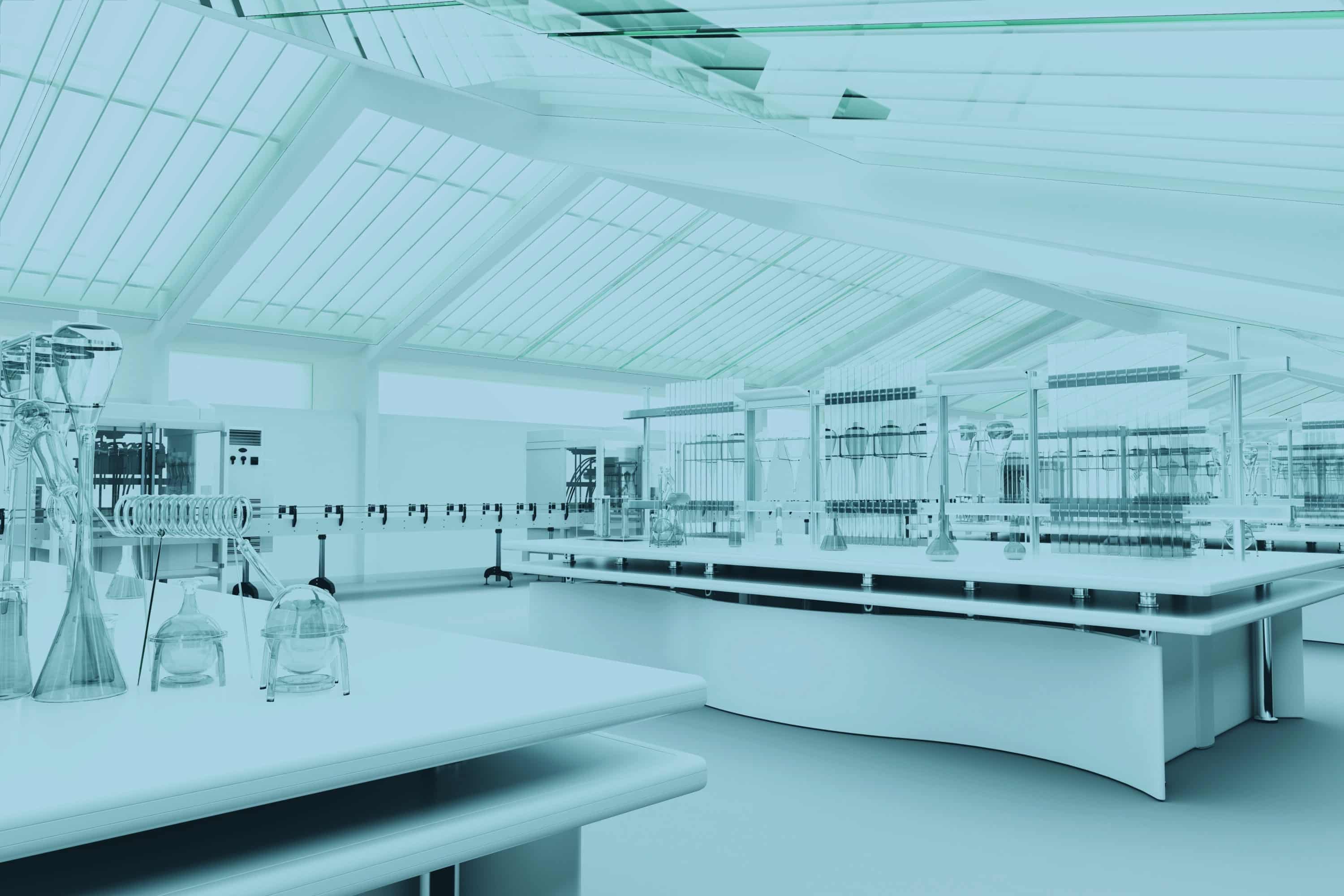
Life Sciences
Construction in the life sciences sector — including pharmaceutical, biotechnology, and medical device organizations — can be difficult. Even though the tasks required in this industry are challenging, they still need to be done quickly and safely.
When working in the life sciences industry, it is vital for workers to have a background in this sector, so they understand the daily risks associated in these environments. Some of these risks include the construction of “clean” facilities that house specialized processing equipment and proprietary manufacturing systems, as well as control of hazardous energy (LOTO), electrical safety, working at heights, hot work, lifting, and material handling.
At HazTek, We Stand Together for Safety
We are committed to building an environment of inclusion and acceptance which values diversity across all areas of the organization — an environment in which all employees can contribute to the success of the business and are valued for their skills, experience, and unique perspectives.
Integrity | Compassion | Dependability | Leadership | Accountability